
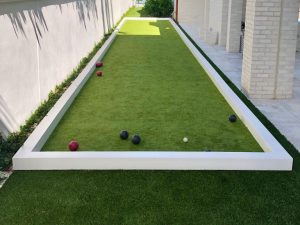
If your yard turns into a sponge every time it rains, you’re not imagining things-and you’re definitely not alone. Drainage issues are one of the most common complaints property owners have, especially in places where rain shows up hard and fast. A lot of people try to fight it with regrading, new sod, or constant repairs, only to end up right back where they started. That’s why synthetic turf and custom golf greens are increasingly being seen as a practical fix rather than just a visual upgrade.
The real shift happens when people stop trying to “save” the grass and instead rethink how water should move through the space.
Table of Contents
Why Water Always Wins Against Natural Grass
Natural grass looks great when conditions are right. The problem is that conditions are rarely perfect for long. Soil composition, foot traffic, tree shade, and rainfall all work against it. Once water stops draining properly, grass roots suffocate, soil compacts, and recovery slows to a crawl.
In many cases, the lawn isn’t the real problem-the ground underneath is. Clay-heavy soil holds moisture. Low spots collect runoff. Even professionally installed irrigation can accidentally contribute to oversaturation.
Some of the most common warning signs include:
- Water sitting on the surface long after rain
- Bare or thinning patches that never fully bounce back
- A soft, uneven feel underfoot
Once these show up, maintenance becomes more about damage control than improvement.
How Synthetic Turf Changes the Equation
Synthetic turf works because it doesn’t rely on soil health to perform. It’s built on a structured base designed specifically to move water away quickly and consistently. Instead of absorbing moisture and holding onto it, the system allows water to pass straight through.
The drainage layer beneath the turf is compacted and graded so water flows down and disperses evenly. That’s why puddles aren’t part of the equation. It also explains why turf surfaces are usable shortly after heavy rain.
This is one of the big reasons synthetic turf and custom golf greens are often chosen for areas where natural lawns repeatedly fail.
Less Guesswork, Fewer Repeat Fixes
Traditional drainage solutions can help, but they’re rarely permanent. French drains clog over time. Soil amendments break down. Regrading disrupts landscaping and doesn’t always solve the root issue.
Synthetic turf takes a different approach. Instead of trying to improve poor conditions, it bypasses them altogether. Once installed properly, the system behaves the same way year after year.
That consistency matters, especially for:
- Backyards with constant foot traffic
- Commercial properties that need clean surfaces
- Areas where mud and runoff cause ongoing problems
You’re not constantly adjusting or patching-you’re done.
What Golf Surfaces Can Teach Us About Drainage
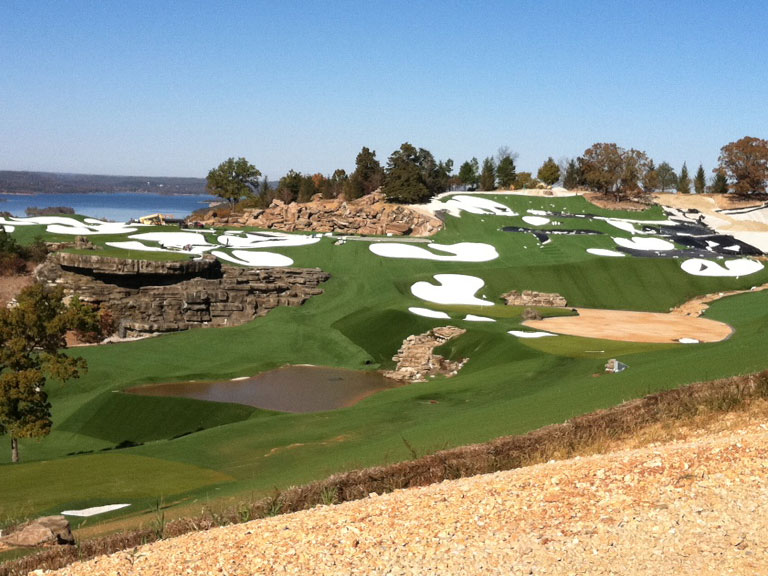
Golf environments don’t tolerate water problems. A wet surface isn’t just inconvenient-it’s unusable. That’s why engineered drainage is standard when building custom golf greens. The surface has to perform the same way whether it rained last night or last week.
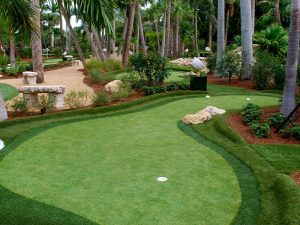
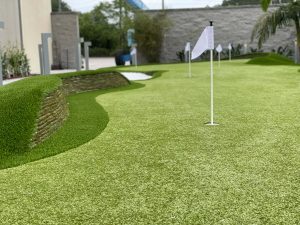
The same thinking applies to residential landscapes. When drainage is built into the system, usability improves across the board. People exploring personal putting greens or practice spaces quickly realize how much better water-managed turf performs compared to grass.
Even compact recreational layouts and synthetic turf setups used for putting courses rely on this same foundation-first design.
Cleaner Spaces You Can Actually Use
Drainage problems don’t just affect how a lawn looks. They change how people use the space. Mud gets tracked indoors. Kids avoid wet patches. Pets tear up soft ground without trying.
Synthetic turf keeps surfaces stable. There’s no waiting for things to dry out and no surprise sinkholes after rain. The yard becomes predictable again-which sounds boring until you’ve dealt with the opposite.
People often notice:
- Less dirt inside the house
- Fewer insects gathering around damp soil
- Safer footing in shaded or low areas
Those everyday wins add up quickly.
Maintenance Without the Constant Battle
Grass with drainage issues demands attention. Aeration, reseeding, topdressing, and repeated inspections become routine. Miss one step, and the problems come back.
Synthetic turf is simpler. Occasional cleaning and brushing are usually enough. There’s no watering schedule and no soil conditions to constantly correct.
Over time, many property owners realize that synthetic turf and custom golf greens reduce stress as much as they reduce maintenance.
A Practical Option for Problem Areas
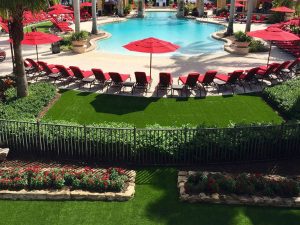
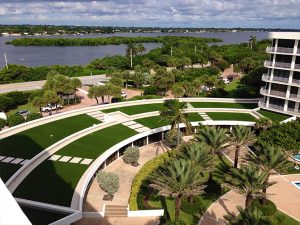
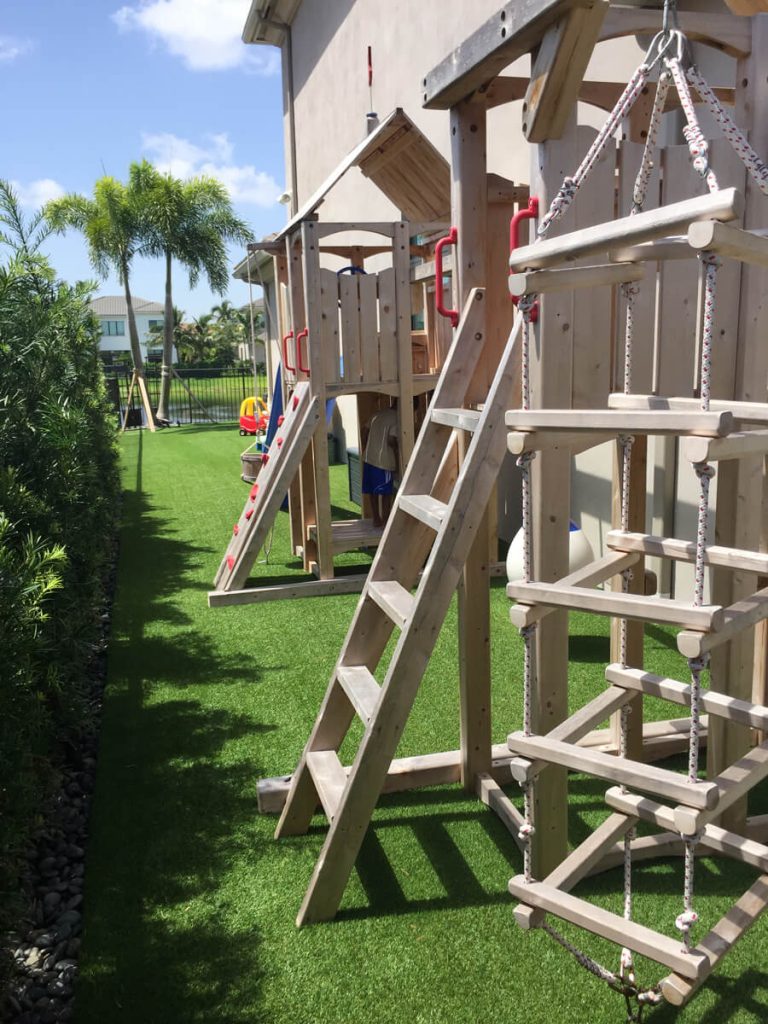
Synthetic turf isn’t just for perfect landscapes. In fact, it works best where things aren’t perfect-sloped yards, shaded corners, narrow side areas, and spots where water naturally collects.
Instead of forcing grass to survive where it clearly doesn’t want to, turf works with the environment. It accepts the reality of the site and builds a surface that functions anyway.
In Short
Drainage issues don’t usually disappear on their own. Most quick fixes only delay the frustration. Rethinking the surface itself often brings better, longer-lasting results.
If you’re looking for a smarter way to deal with water problems without constantly redoing your yard, Southwest Greens Florida can help you understand what’s actually possible for your space-no pressure, just clear options.