
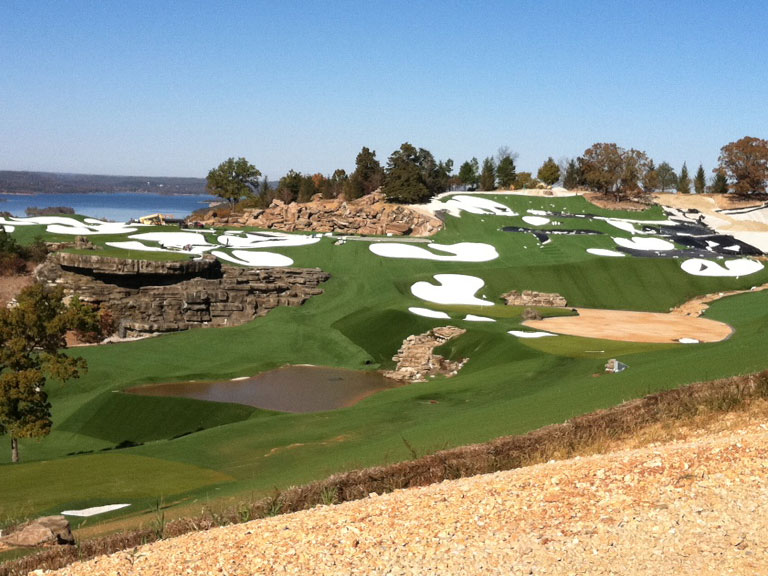
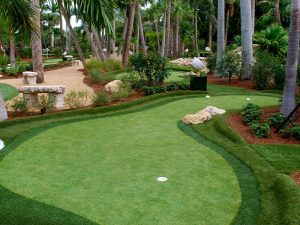
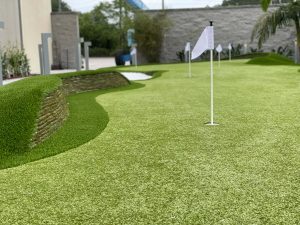
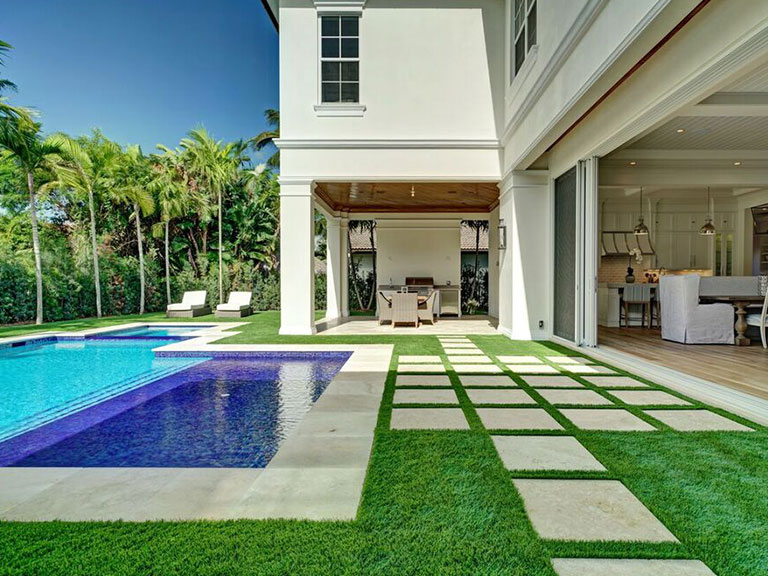
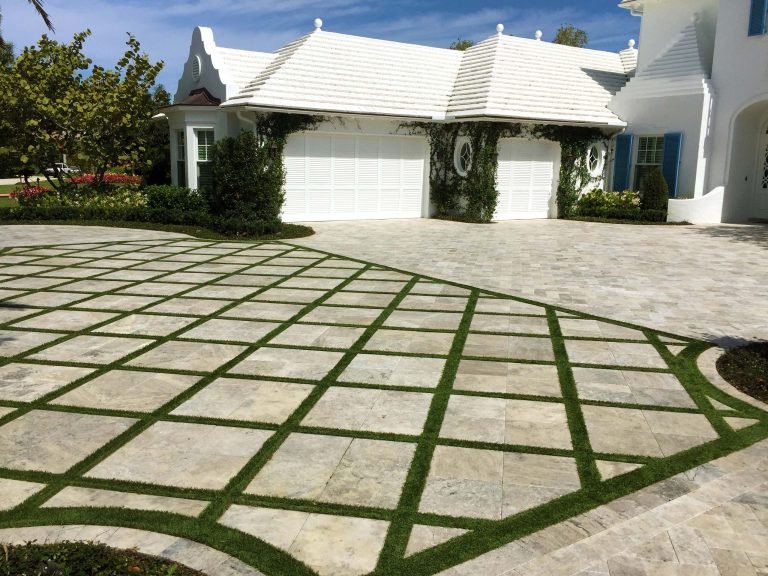
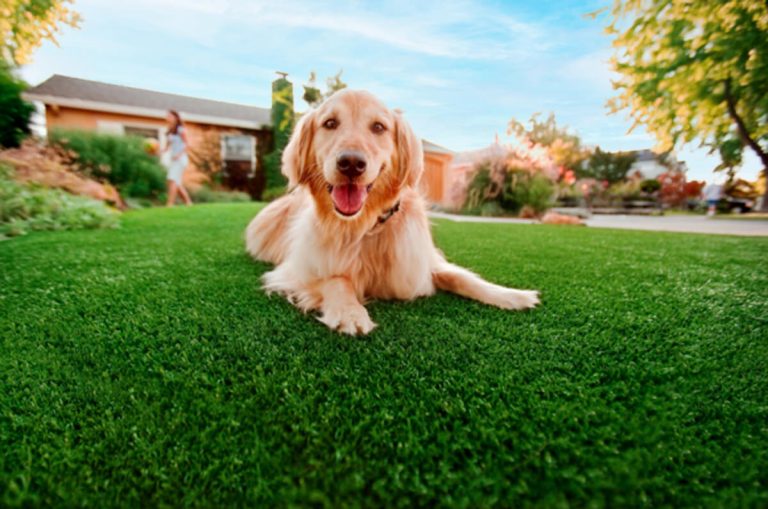
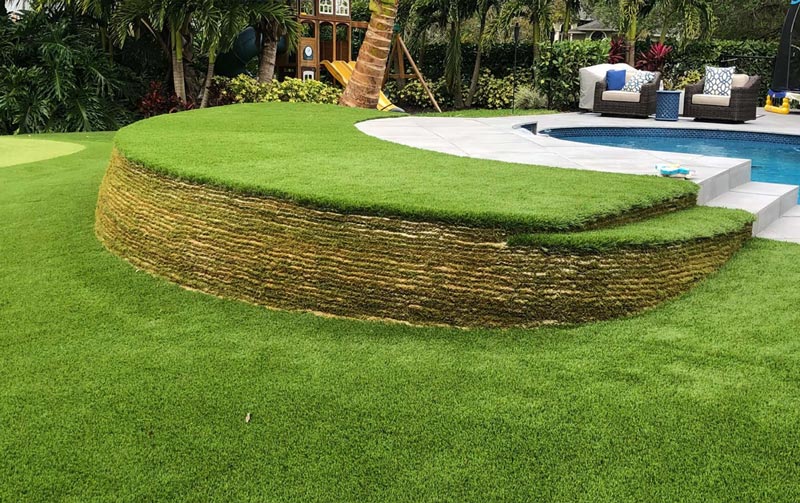
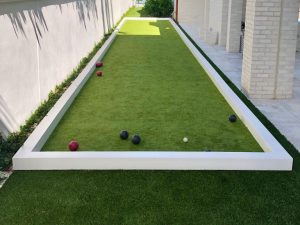
Florida’s sunny climate makes it one of the best states in the country that lets people enjoy golf right in their home backyards. However, with a warm sunny climate, Florida is also notoriously famous for challenging climate conditions like frequent rains, high humidity, or too much heat, asking for a proper putting green maintenance for residential properties. With consistent maintenance, you ensure smooth ball rolls and a lush appearance year-round for your artificial putting greens.
Table of Contents
Why maintenance matters for Florida green
Florida’s weather is difficult. Be it the year-round humidity, intense heat conditions, or heavy rain, all these create conditions that rapidly degrade turf. For artificial putting greens, correct putting green maintenance prevents premature wear and tear. For homeowners, investing a little time each season means your putting green backyard remains in an ideal condition all throughout the year and is a fun practice area for family and guests.
Top Maintenance Tips for Florida Putting Greens
Start by making a care checklist so that you can easily take care of your putting greens throughout the year.
Weekly and monthly care checklist
- Remove debris weekly: Giving 5-10 minutes on a weekly basis would easily remove debris and maintain the required playability without too much effort. You can sweep the debris or use a leaf blower to clear leaves, twigs, and pet hair.
- Rinse heavy-soil areas monthly: You can save yourself a lot of hassle by preventing any clog just by using a hose rinse every month. A hose rinse removes fine dirt and sand infill through the turf and into drainage systems.
- Brush fibers every 1–3 months: For residents, use a stiff broom or power brush every 1 to 3 months to keep the position of blades upright and ensure a consistent ball speed and putting surface throughout.
- Check infill annually: In every few months, check your sand or rubber infill levels so that you can top up as needed to maintain proper speed and cushion.
- Inspect seams and edges: Storms can affect seams. So, whenever there is a storm, properly inspect for seam separation or edge lifting. And if you find an issue at that time, you can schedule your repairs as soon as possible.
Seasonal care for Florida conditions
- Summer (wet season): During the wet season, do more inspections, especially after heavy rains, make sure all drainage points stay clear, and if any areas seem to be settled, re-level them.
- Fall (leaf season): Do more clean-ups to avoid staining and organic accumulation on your backyard putting greens Florida.
- Winter (mild season): Keep it clean and brush like usual. Winters in Florida aren’t harsh enough to require winterizing most of the time, but stay aware of sudden cold snaps and little chills.
- Storm prep: Before the hurricanes, tie down the extra stuff (flags, cups), and clean the gutters around the green area to keep water from building up.
Choosing a maintenance plan
Even after DIY care, you need to hire professionals to preserve the longevity and structural integrity of your residential putting greens. Many homeowners in Florida prefer annual professional maintenance. Professional services cover the detailed work without damaging your turf. They will conduct the deep cleaning and, with specialized tools and knowledge, restore the true surface performance to make every golf match count!
Conclusion
Timely putting green maintenance is one of the key ways to keep your residential putting greens performing best throughout the year. Taking maintenance steps on a weekly and monthly basis can not only ease your work but can also secure the longevity of the field till the time you hire professionals for deep cleaning or any repairs. Follow the checklist mentioned in the blog and add years to your putting greens.
Ready to Install Your Dream Green? Look for Southwest Greens Florida for installing and maintaining artificial turf for putting greens. Being in business for over 24 years, you can rely on us for professionalism and expertise.
FAQ
Do Residential Putting Greens Require a Lot of Water in Florida?
No, in fact, when you go for synthetic putting greens, water saving is one of their biggest advantages! Synthetic ones only require occasional rinsing as compared to natural grass, which requires thousands of gallons to maintain.
How Long Do Putting Greens Last in Florida's Heat?
High-quality synthetic turf built for UV resistance can last 15–20 years, given that you properly maintain it.
Can I install a putting green myself, or do I need a professional?
While DIY kits are there for residential property owners, going for a professional installation would get you finesse in the whole installation process from start to finish of the project.
What's the Best Turf Type for Backyard Putting Greens in Florida?
For your backyard putting greens, pick synthetic nylon or polyethylene (PE) synthetic turf. Also, try to choose UV-stabilized, heat-resistant fibers because they tend to hold up better in Florida’s intense sun.